

PRP Treatment: How It Works for Hair Loss and Skin Rejuvenation
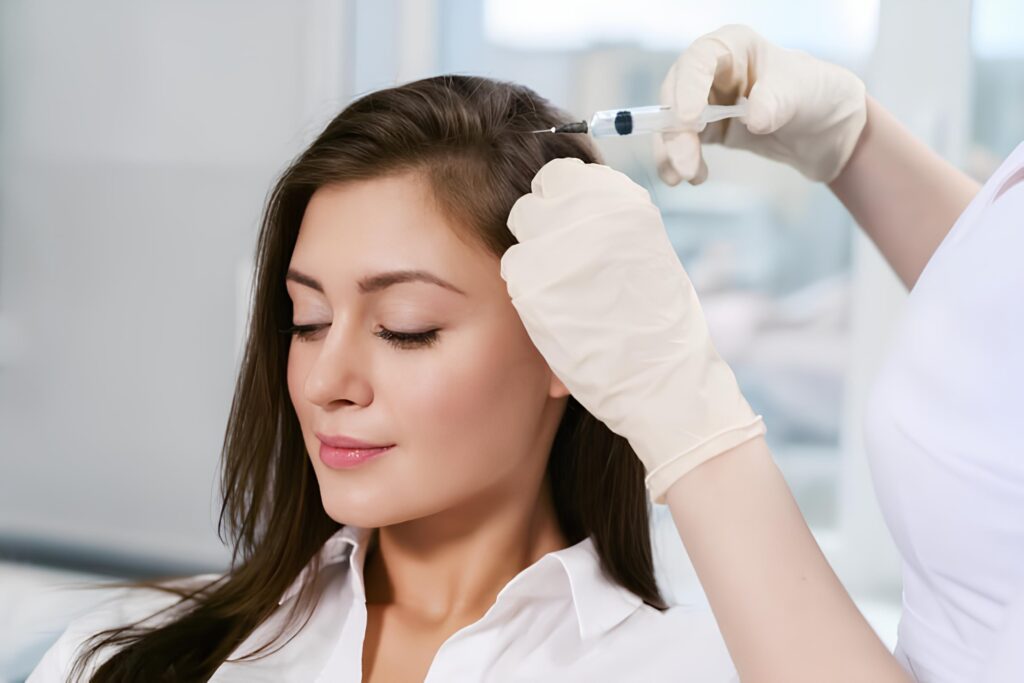
PRP treatment uses a concentrated portion of your own blood to support hair growth, skin rejuvenation and tissue repair. Also known as platelet-rich plasma therapy, PRP has become a commonly discussed treatment in dermatology and aesthetic medicine, particularly for certain types of hair loss and skin concerns.
Unlike treatments that introduce a completely different substance into the body, PRP is prepared from your own blood. A small blood sample is collected, processed to concentrate platelets and growth factors, and then used in the area being treated.
But is PRP suitable for everyone? What exactly happens during the procedure, and how many sessions are needed? Here is what you should know before considering PRP treatment.
What Is PRP Treatment?
PRP treatment, or platelet-rich plasma treatment, is a procedure that uses a concentrated portion of your own blood. Platelets contain several growth factors and proteins involved in tissue repair and healing. During PRP therapy, these platelets are concentrated and introduced into the area being treated.
In dermatology, PRP is mainly used as an option for certain types of hair loss and for selected skin rejuvenation concerns.The aim is not simply to inject blood into the skin or scalp. The treatment uses the platelet-rich portion of the sample, which contains a higher concentration of platelets than normal blood.
How Does PRP Treatment Work?
The PRP treatment process generally begins with a small blood draw, similar to a routine blood test. The sample is placed in a centrifuge, which separates its components and allows the platelet-rich portion to be collected.
The prepared PRP is then injected into the scalp when the treatment is being used for hair loss. For skin treatments, PRP may be injected into selected areas or used alongside procedures such as microneedling, depending on the treatment plan.
The growth factors released by platelets are involved in processes such as tissue repair, blood-vessel formation and tissue remodelling. However, the exact response can vary from one person to another, and PRP is not a guaranteed solution for every skin or hair concern.
PRP Treatment for Hair Loss
PRP treatment for hair loss is one of the most studied dermatological uses of platelet-rich plasma. It is particularly used in some cases of androgenetic alopecia, commonly called male pattern hair loss or female pattern hair loss.
During PRP hair treatment, the prepared plasma is injected into areas of the scalp affected by thinning. The goal is to support the hair follicles and potentially improve hair density and thickness over time.
PRP is not suitable for every type of hair loss. Identifying the reason for hair fall is an important first step because conditions such as nutritional deficiencies, hormonal problems, inflammatory scalp conditions and different forms of alopecia may require very different treatments.
PRP Treatment for Skin Rejuvenation
PRP treatment for skin rejuvenation is another area where platelet-rich plasma has gained attention. PRP is used with the aim of supporting collagen production, tissue repair and overall skin quality.
Depending on the patient’s skin condition, PRP may be considered for concerns such as early signs of skin ageing, uneven skin texture and certain types of acne scarring. It may also be combined with procedures such as microneedling or fractional laser treatment.
PRP for skin is sometimes marketed as a “vampire facial”, but the medical procedure itself is more important than the nickname. A proper assessment should determine whether PRP is appropriate and whether it should be used alone or alongside another treatment.
Can PRP Improve Acne Scars?
PRP for acne scars has been studied both as a standalone treatment and in combination with procedures such as fractional laser and microneedling.
The idea is to support the skin’s repair and remodeling processes. However, acne scars come in different forms, including rolling, boxcar and ice-pick scars. The right treatment depends on the type, depth and extent of scarring. For this reason, PRP may be part of an acne-scar treatment plan rather than a universal treatment for every scar.
What Happens During a PRP Treatment?
A typical PRP treatment involves three main stages.
1. Blood Collection
A small amount of blood is drawn from your arm. The amount required depends on the treatment and the preparation method being used.
2. PRP Preparation
The blood sample is processed in a centrifuge to separate its components and concentrate the platelet-rich portion. Different preparation methods can produce PRP with different characteristics, which is one reason PRP protocols can vary between clinics and studies.
3. PRP Application
The prepared PRP is then introduced into the treatment area using injections or, for certain skin procedures, applied in conjunction with a procedure such as microneedling.
The exact technique, number of injections and treatment schedule depend on whether PRP is being used for hair loss, skin rejuvenation or another dermatological concern.
How Many PRP Sessions Are Needed?
The number of PRP treatment sessions depends on the condition being treated, the severity of the concern and the individual’s response.
For skin rejuvenation or acne scars, the treatment schedule can be different. There is no single PRP protocol that applies to every patient. Your dermatologist can recommend the number and spacing of sessions after assessing your skin or scalp.
When Can You See Results From PRP Treatment?
PRP treatment results do not appear immediately. When PRP is used for hair loss, changes may take several months to become noticeable because hair growth itself is a gradual process.
Some patients may notice reduced hair shedding or changes in hair thickness over time, while others may see limited improvement. The outcome depends on factors such as the type and stage of hair loss, the condition of the hair follicles and whether other treatments are being used.
For skin treatments, improvement in texture and overall skin quality may also develop gradually as the skin undergoes its natural repair and remodeling processes.
Is PRP Treatment Safe?
Because PRP is prepared from the patient’s own blood, it is an autologous treatment. This means the material used is derived from your own body.
PRP injections can still cause temporary effects such as pain, tenderness, swelling or bruising around the injection sites. As with any procedure involving injections, proper medical assessment and sterile technique are important.
PRP is not appropriate for every person or every condition. A dermatologist should evaluate your medical history, medications, skin or scalp condition and treatment goals before recommending it.
Who Can Consider PRP Treatment?
PRP treatment may be considered for people with specific dermatological concerns, particularly certain forms of pattern hair loss. It may also be considered for selected skin rejuvenation and acne-scar concerns. However, PRP should not be viewed as a treatment that works for every type of hair fall or every skin problem.
A consultation is important to identify the actual cause of the concern before starting treatment. For example, treating hair fall without identifying why the hair is falling may delay the treatment that is actually needed.
PRP Treatment vs Other Hair Loss Treatments
PRP is one option among several treatments for hair loss. Depending on the diagnosis, a dermatologist may also consider topical or oral medications, low-level light therapy, microneedling, or hair transplantation.
PRP can sometimes be used alongside other treatments rather than replacing them. The right combination depends on the type and severity of hair loss and the patient’s individual needs.
Frequently Asked Questions
What is PRP treatment?
PRP treatment is a procedure that uses platelet-rich plasma prepared from your own blood. The concentrated plasma contains platelets and growth factors and can be used in selected dermatological treatments, including certain types of hair loss and skin rejuvenation.
Is PRP good for hair loss?
PRP can help some people with androgenetic alopecia, but it does not work for every type of hair loss or every patient. A dermatologist should first identify the cause of hair loss and determine whether PRP is appropriate.
How long does PRP treatment take?
The procedure itself is generally completed during a clinic visit. The time can vary depending on the treatment area, preparation method and technique used.
Does PRP permanently stop hair loss?
PRP is not considered a permanent cure for hair loss. Some patients may require maintenance treatment, and ongoing management of the underlying type of hair loss may also be necessary.
Is PRP treatment painful?
Some discomfort can occur because PRP involves injections. The level of discomfort varies depending on the treatment area and individual sensitivity.
